Your brain is doing acoustic gymnastics. Here's how to help it relax.
The Surprising Complexity of Understanding Speech
When someone speaks to you in a quiet room, understanding feels effortless—almost automatic. But the moment background noise enters the picture, your brain shifts into overdrive. What most people don't realize is that understanding speech, especially in noise, is one of the most cognitively demanding tasks your brain performs throughout the day.
It's not a failure of your ears. It's your brain working extraordinarily hard to make sense of incomplete information. And when the noise gets louder, your brain has to compensate in ways that leave you mentally exhausted.
The Surprisingly Messy Science of Listening

Here's what's happening in your brain right now, in almost every conversation:
Someone talks. Noise overlaps. Your brain scrambles to separate the signal from the static. You catch roughly 80% of what's being said. Your brain guesses the rest.
That tiny 20% gap—the words your brain misses in noisy environments—is where the confusion happens. It's the difference between "Did she say meeting or meaning?" between understanding your partner's important question and nodding along, hoping you got it right.
But here's where it gets more interesting: your brain isn't just struggling because the sound is faint. Your brain is actively working harder during this 20% gap. It's recruiting extra mental resources—attention, memory, language processing regions—to fill in the blanks. This is what scientists call listening effort, and it's exhausting.
Your Brain Is Doing More Work, Not Because It's Broken
When you listen in noise, multiple regions of your brain activate beyond the primary auditory cortex. Your frontal lobe kicks in. Your language processing networks activate. Your working memory gets heavily engaged. This recruitment of extra brain regions is your brain's compensation strategy—and it works, but at a cost.
Unlike clear speech, which your brain processes almost automatically, noisy speech demands that you consciously focus, maintain attention, and actively decode linguistic clues. After minutes of this, many people report cognitive fatigue.
Why Visual Information Changes Everything
Here's a fact that changes how you should think about conversation: your brain processes written text and visual speech cues faster than it processes sound.
While you're listening to speech at roughly 125–160 words per minute, your brain can read written words at 200–400 words per minute. That's not just a speed difference—that's a fundamental advantage your visual system has over your auditory system.
More importantly, when you can see someone's lips move or read captions, your brain doesn't have to wait for every word to unfold in sequence. Your visual system gives you a sneak peek—allowing your brain to predict what's coming next before you even hear it. This predictive power dramatically reduces the cognitive load.

What This Means for Your Brain
-
Noisy environments make your brain miss up to 20% of spoken words, forcing it to fill in gaps using context and prediction.
-
Your brain must actively decode speech while filtering out noise, which increases listening effort and reduces accuracy.
-
Visual cues like lip reading and captions give your brain a second input channel for clearer understanding, because it reads text faster than it processes sound.
And Yes, That Also Means…
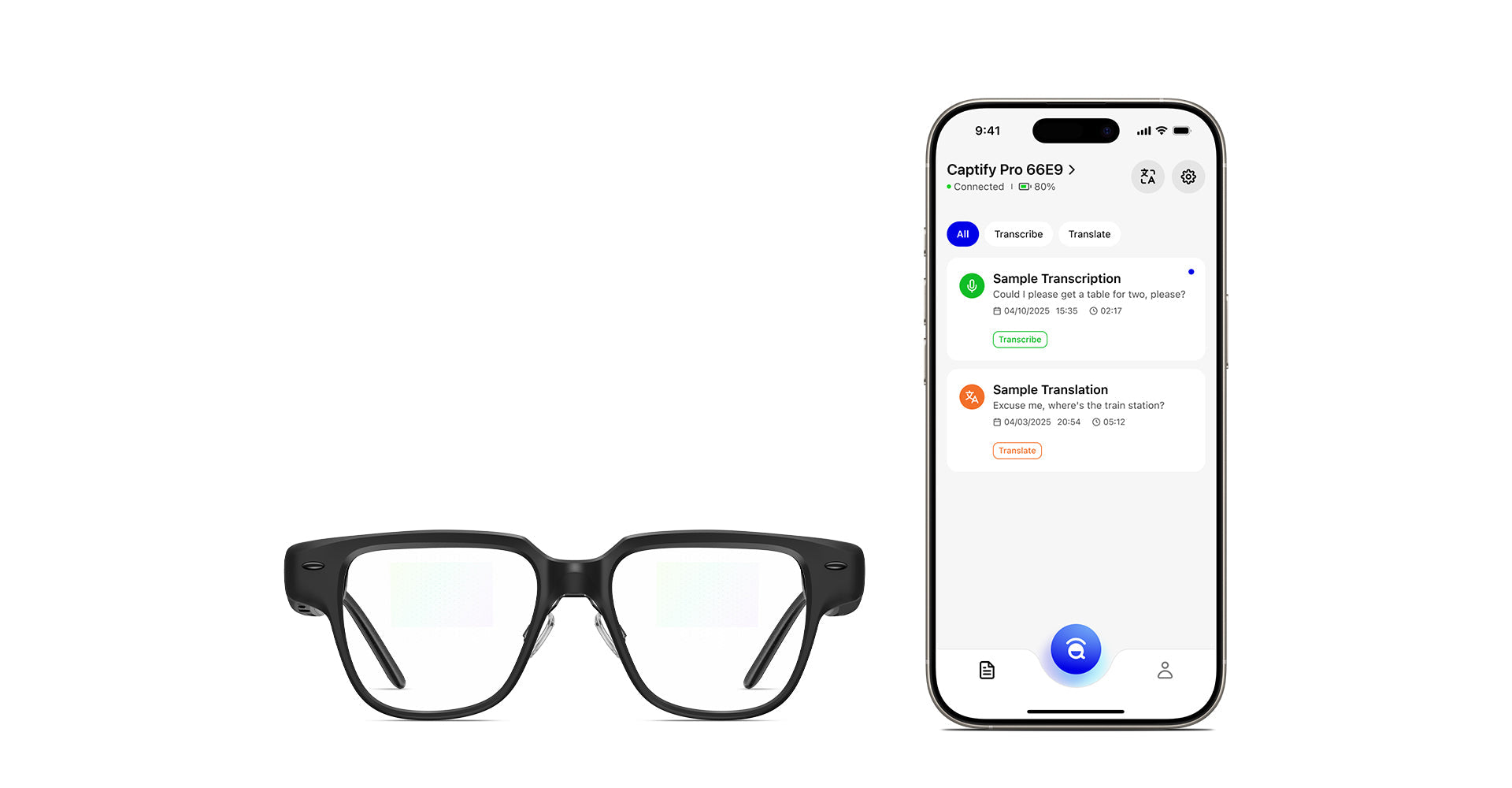
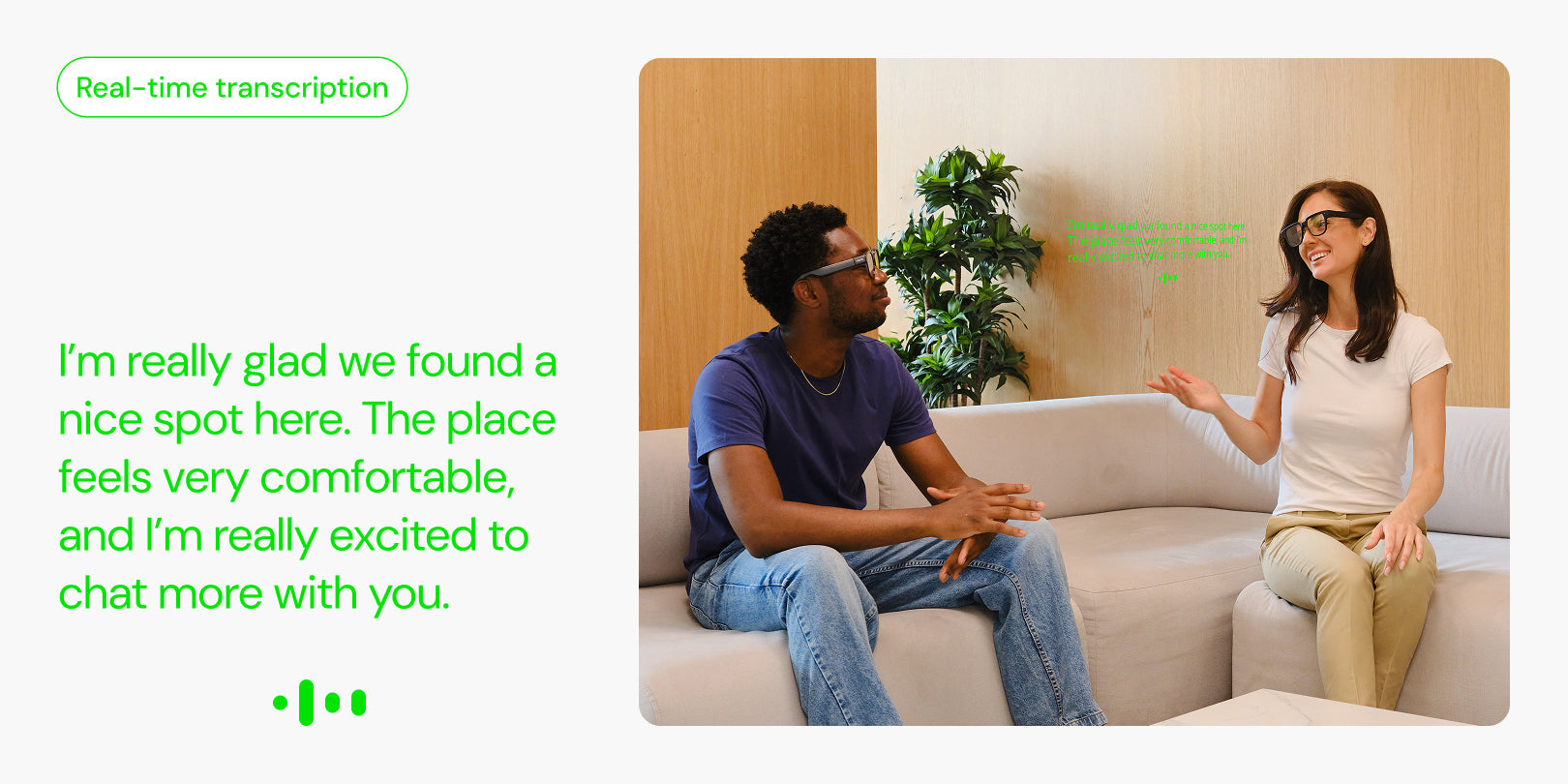
Tools like Captify Pro aren't just helpful—they're neurologically sensible. Real-time captions give your brain the visual advantage it naturally craves during noisy conversations. You understand more while your brain works less.
Instead of recruiting your entire attention network to fill in missing 20% of words, your brain can simply read what's on screen. The cognitive load drops. The listening effort disappears. You stay engaged without burning out.
Key Takeaway
You're not struggling with conversations in noise because your hearing is broken or your brain is slow. You're struggling because your brain is doing acoustic gymnastics—working overtime to compensate for incomplete auditory information.
The solution? Give your brain the tools it naturally prefers: visual information that moves faster than sound and reduces the guesswork.
That's why captions work. That's why lip-reading helps. That's why your brain doesn't have to be overworked.